I think this conversation has many parts to it, and there is a lot that can be discussed and explored in regards to the topic. For now I’ll focus mostly on my own experiences, since that is what I know best. As for others I’ll also give examples and delve into those, but I want to focus on my own disabilities and what aids and assistance my doctors have requested in order for me to work in a stable environment that won’t worsen my health.
I’ve spoken about my experiences with ADD (Attention Deficit Disorder) which is a sort of variation of ADHD. Technically I have aspects of both, but I’m mostly impacted by the attention side of things and lack of regulation of executive functions in my brain. In a workplace environment, these issues can cause some problems, and not just for me, but for the work I need to get done and especially in situations that require deadlines and set timeframes. Executive dysfunction (in very basic terms: the inability to do a task, almost as if your brain freezes up and you can’t move or do an action) isn’t something with a set time. It comes in unexpected episodes that I can’t predict, which isn’t good for ordinary workplace expectations and set times. There are days I’m fine, whereas others where I will freeze up and not be able to get dressed, or cook, clean, or even write.
If, in the morning going to work, I am hit with one of these episodes, I may take hours to even get dressed without either assistance or an extension of time I give myself to take into account if I have an episode. I did this quite often with school, I would get up half an hour to an hour earlier than I would technically need to with knowing how long it would take me to get ready on a good, normal day, and be ready if I just couldn’t do basic tasks. I didn’t know I had ADD/ ADHD but the effects have always been there and it’s always had to have been factored into my daily life, school, work, and social situations.
Another thing I struggle with is emotional dysregulation which can lead to meltdowns, and also additionally I have issues with anxiety and depression. Which (before taking medication) used to cause frequent panic attacks and breakdowns, even from minor things like noises, stress from homework or writing or looking for work, or even disagreements. There’s been times in the past where I couldn’t really control my emotions at all, to the point of throwing my stuff around, crying, shaking, all from sometimes even seemingly minor things. The worst part of these experiences were that I couldn’t control it, especially when I was younger and didn’t know what was happening. It is much more bearable now with both age and less stressers, and especially after taking medication. I’m far more stable and able to regulate my emotions in a healthy way and to not expose myself to things that can trigger meltdowns.
Even clothes, materials, fabrics, ect. are things I have to be conscious of. While I luckily don’t get meltdowns or breakdowns, certain materials can make me anxious. There are things I just can’t wear, and blankets I’m unable to use for my bed or chair. This also stays true in workplace environments, in order to concentrate on my work and not increase stress, I may have to just be aware of what I’m using and what’s around me. This is more of just a fun fact I suppose since it doesn’t affect much, as long as I can buy a blanket or cushion to put on my chair if it’s a material that causes sensory issues or overload.
In addition to these, as you can expect with the name, I have horrible attention and cannot focus no matter how much I try sometimes. On top of this, I also have short term memory loss, and contrary to popular belief, it doesn’t matter how important or engaged I am to it; I’ll forget anyway because of how my brain works due to my ADD/ ADHD. As for my attention issues, it’s not even just an issue of not being entertained or bored either, even with things I love I can’t function to the degree I want to and miss important details. Reading is something I love to do, yet sometimes I miss entire paragraphs, I accidentally skim, or I just forget everything I just read. This applies in work and study as well, no matter how much I love a subject or want to engage with it, there are times I just… can’t. One thing that has helped me (thank you year 8 science teacher for this by the way) is typing, writing down what I need to do even basic things like where to go and what I need to do, and to let myself have breaks between things and allow myself to redo things. This takes longer, but I am able to produce better results and it causes me less stress. I’m able to perform to my best ability if I can address the barriers that make it hard for me to focus. Sometimes I can’t help but not be able to concentrate, but I can make notes, redo things, ask people to repeat themselves and try to make the most of when I can concentrate. Like executive dysfunction, these are all episodic. I can’t predict them, and they come when they come. As long as I have the space and time to do tasks, and I don’t force myself to focus when it’s physically impossible, I can still do things the same as others. What’s important is acknowledging these barriers exist and allowing me time and aids to address them.
One of the major issues that affected finding a job for me for the last 4 or 5 years was anxiety, especially when I was first getting therapy and looking to take medication for it. Anxiety can’t be not wanting to talk to customers, but it can be so many other things as well. I was good with social situations, but what would cause breakdowns were often related to expectations and deadlines. If I needed to do something by a set time, I would often have panic attacks; shaking, crying, being unable to move or even stand, and an excessively fast pulse. It made actually sitting down and working on anything extremely difficult. It’s part of why I try to look for jobs in hospitality rather than in an office, I know it’s something that triggers far more stress for me than it does for others, to the point actually doing the work I’m meant to do becomes almost impossible since all the time is spent on trying to stabilise myself after multiple breakdowns.
In addition, even low blood pressure can be an issue in its extremes. There are times I can stand for too long, especially if it’s hot. In order to avoid fainting, dizziness and being able to work to my best ability, sometimes I need a moment to sit down after an hour or two. I suspect this may also be a result of something else since it seems to impact me far more than others I know who have low blood pressure, but for now this is the only diagnosis I’ve been able to get so far. As long as a chair is available and I can take a small break between standing, I can work perfectly well and the same as others.
Another thing I struggle with is issues relating to trauma, insomnia, and nightmares. These don’t just affect sleep, and especially with my trauma, there’s quite a list of things it impacts and to be honest I think it’s currently one of my biggest barriers when it comes to working at the moment. It’s why I’m so adamant about Centrelink acknowledging it in regards to my job search and hours, because it has been affecting me the most for the past few years and probably far longer as well.
It’s a big can of worms, and it probably is one of the biggest reasons I used to cancel appointments, couldn’t make it to class or work, or struggled while I was there. Sleep deprivation aside from nightmares and overthinking traumatic memories or feelings caused by trauma, I had trouble doing basic tasks due to sensations that would trigger traumatic memories and stress. Sometimes these memories were unclear, or weren’t so much “memories” per se, but sensations that I experienced during a traumatic event. This has led to me not being able to move, not being able to get out of bed due to feeling sick and nauseous from the sensations, and feeling extreme stress and breaking down. This was worse back before therapy, but I still do experience sensations here and there (decreased in severity and frequency thanks to EMDR) and I still have times where I can’t function normally due to thoughts of the traumatic event resurfacing.
As I mentioned previously, sleep is a huge issue for me. Trauma causes nightmares sometimes, and other times can just lead me to not sleeping for a whole variety of reasons. I also just generally struggle with sleep due to hyperactivity with my brain, my thoughts, and energy levels fluctuating all over the place. There’s also just anxiety and depression that affect this as well. Essentially, sleep is something that’s a struggle, and with work this is a big limitation that can affect the quality of work and functionality all around.
I also suspect I have some issue relating to ASD (autism), and I’m currently also looking into getting another EEG for another issue that causes me to have episodes of confusion, paranoia or intense/ excessive dissociation (unable to be present or “all there”, or freeze and suffer paralysis while I am out of touch with reality). This has been considered to be a number of possible things, such as absent seizures, PTSD, psychosis, etc. For now though, much like the above, I need a lot of space, time and awareness of how I am affected by these issues to successfully work in a stable and safe way that doesn’t endanger my own safety, and so that I can work to the best of my ability.
In conclusion for my own experiences, many of all the above issues I’ve discussed so far can often be easily avoided, in regards to being an issue for working, so long as I have the ability to work in a way that avoids triggers and has a timeline that can work in the event I have episodes of not being able to move or function properly, or if I’m suffering from sensations related to trauma, or if I haven’t slept, or just other issues in general. If I’m able to have that leniency and the time to work through the things I can’t prevent or control, I can work just the same and effectively as anyone who doesn’t have to deal with any of these. It’s about being allowed to have that assistance, physical aids (like a blanket for chairs if needed or fidget items to help me concentrate on what I need to do), and schedules that allow for me to perform at my best and be able to put in everything I can.
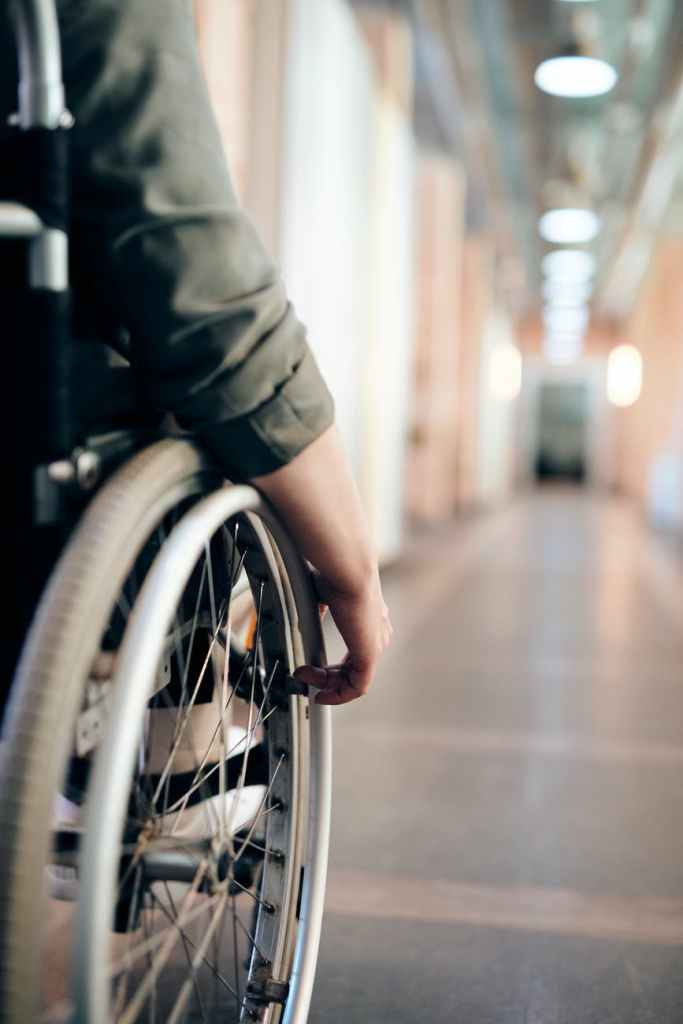
There are even more issues to discuss when I factor in all the things I haven’t even been through but others have. I know people with chronic pain who need to sit down here and there as well, or who need to take a moment away from work if their pain is excessively bad. Much like my episodes, they can’t be predicted and need to be given leniency with needing to assess their health and ability when these conditions flare up. There are people who need to not be touched, or may need specific physical items to aid them. Wheelchairs are one common ones, but this can also apply to blankets, pillows, braces, specific clothes, fidget items (or fidget toys), sensory items (such as headphones to filter out noises which may cause meltdowns), and comfort items (a stuffed animal that may prevent emotional distress and help in the event of a panic attack, breakdown, or meltdown). There’s more to disability than the image of a single disability, we comes in many shapes, sizes, and have different issues that can factor into how we work. The difference in how we can do so in a safe environment is the small effort from other to be aware and accept our differences. If we can just deal with our barriers and have the time to do what we need to, I think you’ll find us just the same as any other person without a disability.
Note: I wrote this fairly quickly and in a rush of ideas and sudden motivation. There may be several mistakes as far as spelling and grammar goes, and since this is just my own experience and what I’ve learnt, I want to acknowledge I don’t wish to speak for others and their experiences. I simply wish to educate others and challenge everyone’s perception of disability, especially in the workplace.

 Noah's Nib Nook